


High-tech careers demand soft skills for collaboration, communication, and adaptability. This article examines their crucial role in today’s workforce.
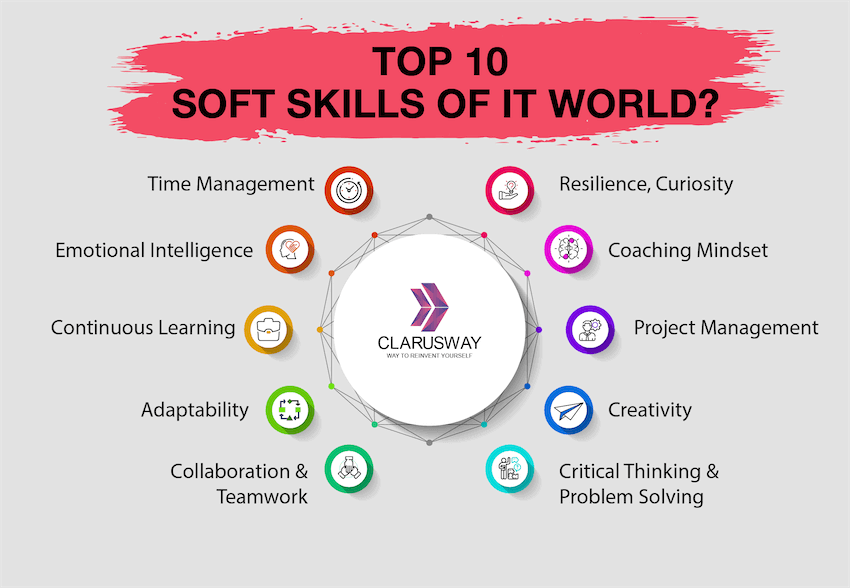
In an era dominated by advanced technology, the assumption often arises that technical prowess alone defines professional success. My professional journey, spanning over two decades in various tech-centric roles from software development to project management within the US, consistently demonstrates this assumption is flawed. While hard skills are undeniably foundational, the true differentiators in impact and career progression are consistently the so-called “soft skills.” These interpersonal and personal attributes are not merely beneficial; they are absolutely essential for individuals and teams striving to excel in complex, fast-paced technological environments.
Overview
- Technical expertise alone is insufficient for sustained success in modern high-tech fields.
- Effective communication is vital for project clarity, team cohesion, and client satisfaction.
- Collaboration skills enable diverse teams to work together efficiently towards shared objectives.
- Adaptability is crucial for professionals to keep pace with rapid technological advancements and market changes.
- Problem-solving extends beyond technical bugs, requiring critical thinking and interpersonal negotiation.
- Emotional intelligence fosters better team dynamics, leadership capabilities, and client relationships.
- The integration of soft skills leads to greater innovation and more resilient project outcomes.
The Importance of Soft Skills in a High-Tech World: Beyond Technical Prowess
My early career saw brilliant engineers struggle significantly despite their coding genius. They could write pristine code, yet their projects often stalled due to an inability to articulate their ideas clearly or manage team conflicts. Technical skills provide the “what,” but soft skills provide the “how.” For instance, a developer might build an incredible system, but if they cannot explain its value to stakeholders, or if they resist feedback, that system’s potential is severely limited.
Real-world applications demand more than isolated brilliance. They require understanding user needs, coordinating with diverse teams, and responding to project pivots. In a startup environment I worked in, a highly skilled backend engineer consistently delivered late because he refused to communicate roadblocks until deadlines passed. This highlights that individual technical capacity, without communication and accountability, creates bottlenecks. The most effective tech professionals are those who merge their technical acumen with robust interpersonal abilities. They understand that technology serves people.
Communication and Collaboration: Core of The Importance of Soft Skills in a High-Tech World
Working in agile development teams has repeatedly shown me the absolute necessity of open communication and fluid collaboration. Daily stand-ups, sprint reviews, and retrospective meetings hinge on team members being able to listen actively, provide constructive feedback, and articulate their progress or challenges. I’ve seen projects derail not from technical issues, but from misinterpretations of requirements, or from team members siloed in their work without proper coordination.
Consider a recent AI deployment project where engineers, data scientists, and business analysts needed to align on goals. The technical implementation was complex, but the bigger hurdle was ensuring everyone spoke a shared language. Without dedicated efforts to foster clear, frequent communication—sometimes requiring a project lead to act as a translator across disciplines—misunderstandings accumulated, impacting scope and timelines. When teams communicate well, problems are identified and resolved faster, leading to more cohesive products and happier clients. Effective collaboration turns a group of specialists into a synergistic unit.
Adaptability and Problem-Solving in a Rapidly Changing Landscape
The tech industry is defined by constant change. New programming languages, frameworks, and methodologies emerge with startling regularity. Professionals cannot simply rely on what they learned five years ago. This rapid evolution demands a high degree of adaptability. I recall a significant software migration where our team had to switch foundational technologies mid-project due to a newly discovered security vulnerability. The technical challenge was immense, but the biggest hurdle was convincing team members to embrace the change and quickly upskill.
Beyond technical fixes, problem-solving in tech often involves intricate human elements. It’s about troubleshooting user experience issues, resolving team disputes, or negotiating project scope with clients. These scenarios rarely have a single, clean technical solution. They require creative thinking, empathy, and the ability to persuade and influence. The ability to pivot, learn quickly, and approach unforeseen obstacles with a flexible mindset is paramount for survival and growth in this dynamic sector. It’s not just about fixing bugs, but about anticipating and addressing systemic issues—both technical and human.
The Importance of Soft Skills in a High-Tech World: Driving Innovation and Team Synergy
Innovation thrives in environments where ideas are freely exchanged and individuals feel valued. This is directly tied to emotional intelligence and leadership soft skills. Leaders in tech need to do more than just manage tasks; they must inspire, mentor, and mediate. I’ve managed teams where individuals came from incredibly diverse cultural and technical backgrounds. Building a cohesive, high-performing unit required understanding individual motivations, addressing subtle conflicts, and creating a psychologically safe space for experimentation.
Client-facing roles, especially in custom software development, demand strong interpersonal skills. Presenting technical solutions to non-technical stakeholders requires clarity, patience, and the ability to listen intently to client concerns. A product might be technically superior, but if the client experience is poor, its long-term success is jeopardized. Soft skills such as empathy, active listening, and persuasive communication ensure that even the most cutting-edge technology truly serves its intended purpose and users, driving both business value and sustained innovation.


