

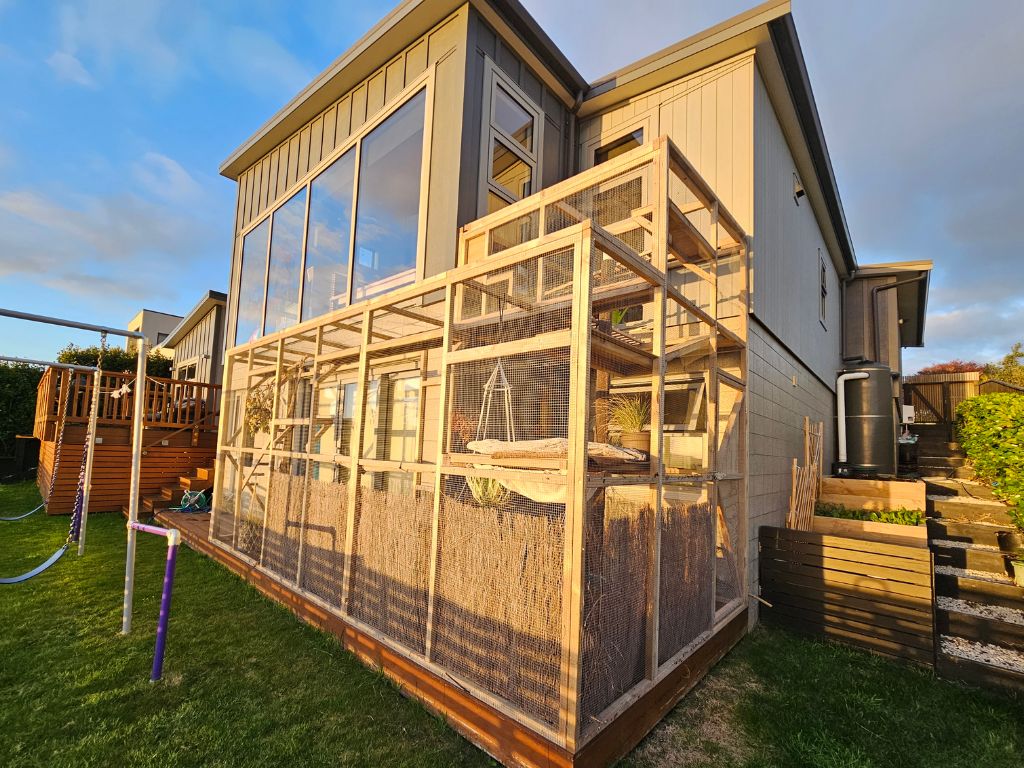
Expert tips for Designing Outdoor “Catios” (Cat Patios). Create safe, enriching outdoor spaces for your cats with practical, real-world advice.

Creating a catio provides a safe and stimulating outdoor environment for your feline companion. Based on years of experience, I can tell you these enclosed patios prevent cats from facing outdoor dangers like traffic, predators, or disease, while still allowing them to enjoy fresh air and sunshine. It’s a wonderful way to improve a cat’s quality of life, especially for indoor cats who crave more stimulation.
Overview
- Catios offer a secure way for cats to enjoy the outdoors, protecting them from various risks.
- Proper planning is essential, including location, size, and adherence to local regulations in the US.
- Choosing durable, cat-safe materials and stimulating features like perches and scratching posts is key.
- Robust safety measures, such as secure mesh and predator-proof construction, must be prioritized.
- Regular cleaning and maintenance ensure the catio remains a healthy and enjoyable space.
- The design should account for weather protection and comfortable access for both cats and humans.
- Personalizing the catio to suit your cat’s specific needs and activity level maximizes its benefit.
Essential Considerations for Designing Outdoor “Catios” (Cat Patios)
Starting any catio project requires careful thought about its placement and structure. The location is vital. Consider areas that offer a mix of sun and shade throughout the day to prevent overheating or excessive sun exposure. Proximity to a window or door allows for easy access, often through a pet door or a tunnel system. This integration makes it simple for your cat to move freely between indoors and out.
The size of your catio depends on your space and the number of cats using it. Even a small balcony can become a cozy catio, while a larger backyard might support a walk-in enclosure. Always think about how humans will access the catio for cleaning or interaction. Before building, check with your local municipality or homeowners’ association in the US for any necessary permits or specific building codes. This step prevents potential issues later on.
Selecting Materials and Features for Durability and Enjoyment
The right materials ensure longevity and safety. For the frame, treated lumber or metal tubing provides a sturdy structure. I’ve found that galvanized steel wire mesh, often 16-gauge or stronger with 1×2 inch openings, works well. This mesh is strong enough to contain cats and deter most predators without harming their paws. Avoid chicken wire, as it’s too flimsy.
Flooring options should be easy to clean and comfortable. Outdoor carpeting, smooth concrete, or even natural grass areas within the enclosure can work. A truly good catio includes enrichment elements. Install multiple shelves at varying heights, scratching posts, and sturdy perches for climbing and napping. Incorporate cat-safe plants like catnip or oat grass for sensory enjoyment. A partial roof or cover offers protection from rain and direct sun, while open sides ensure good air circulation.
Safety and Security Aspects in Designing Outdoor “Catios” (Cat Patios)
Security is paramount when Designing Outdoor “Catios” (Cat Patios). The enclosure must be escape-proof. Ensure all mesh is securely fastened to the frame with screws or heavy-duty staples, leaving no gaps. Pay attention to the base; bury the mesh a few inches into the ground or attach it to a solid foundation to prevent digging underneath. Latches on any human-sized doors should be strong and predator-proof.
Protecting your cat from other animals is crucial. The sturdy frame and small mesh size help deter larger predators. Regularly inspect the catio for any signs of wear or damage that could compromise its integrity. Inside, remove any potential hazards such as toxic plants, loose electrical cords, or sharp edges. Provide fresh water and a litter box that is regularly cleaned. Proper ventilation is also important to prevent the catio from becoming too hot or humid, especially during warmer months.
Practical Tips for Finalizing Your Designing Outdoor “Catios” (Cat Patios)
Once the main structure is complete, focus on the details that make the catio a true haven. Consider a phased approach if budget or time is a concern; you can start with a basic structure and add features over time. Personalize the space to fit your cat’s personality. An older cat might appreciate ramps and lower perches, while a younger, energetic cat will benefit from more climbing opportunities.
Regular maintenance is key to keeping the catio clean and safe. This includes sweeping or hosing down the floor, cleaning litter boxes, and checking the mesh and frame for any weaknesses. Place water bowls and food dispensers in shaded areas to keep contents fresh. When introducing your cat to the new space, do so gradually. Supervise initial visits and let them explore at their own pace. A well-designed catio provides endless hours of safe outdoor enjoyment.


